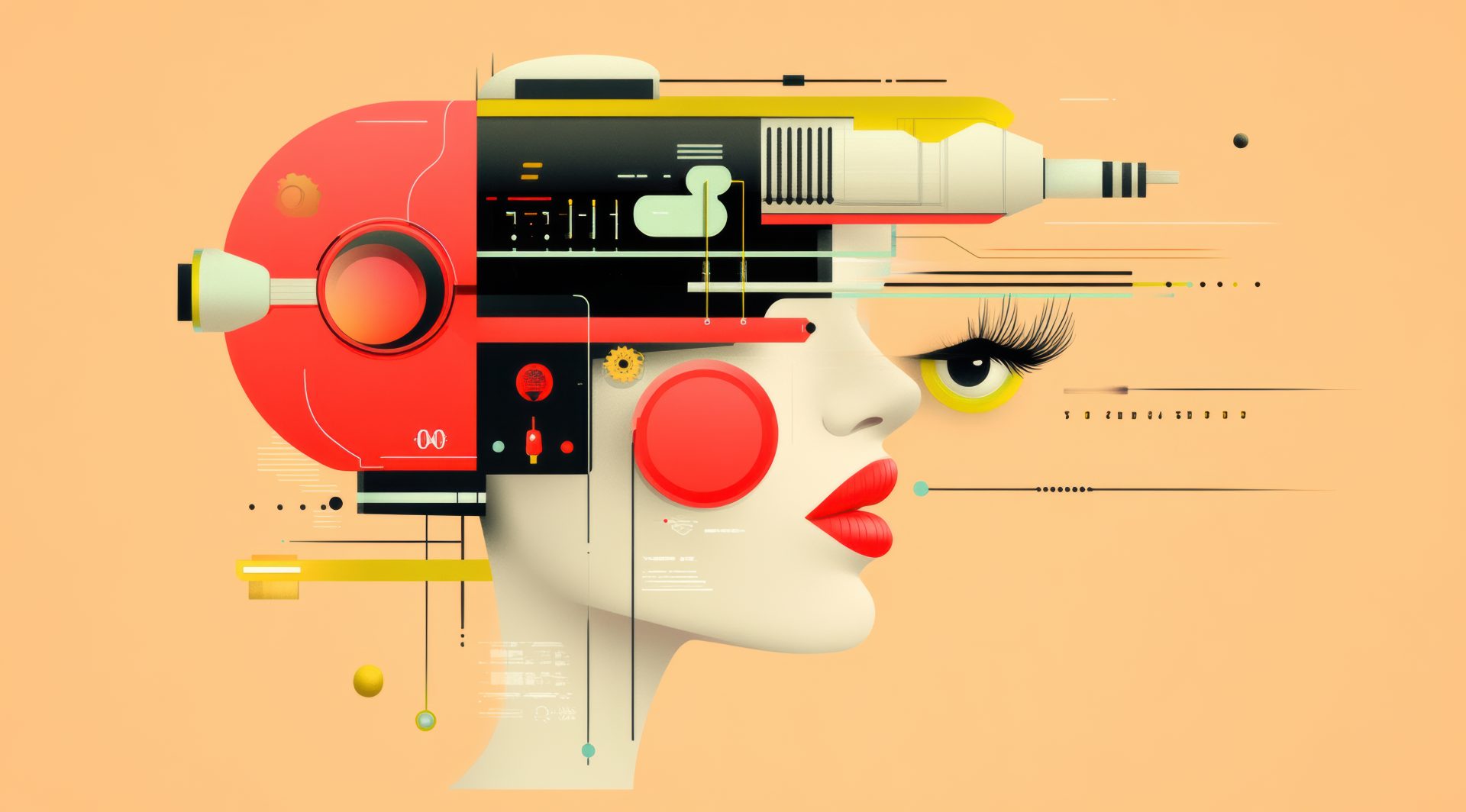
Generative art in branding means using artificial intelligence as a tool to create visual materials faster and in a more organized way. These can be images, illustrations, backgrounds, ad concepts or mockups that support a brand’s communication.
It works well when it stays a working tool, not a solution that promises everything. Authenticity comes only when images start from the brand’s identity, not from randomly generated results. Colors, fonts, visual style and presentation have to be consistent everywhere.
Without these reference points, materials can look good individually but don’t build recognition. Today, the challenge isn’t creating impressive images, but keeping a distinct identity. If anyone can generate a visual in a few seconds, the difference comes from consistency and attention to detail.
What matters is text legibility, product realism and a unified style across all materials. An authentic brand uses AI for efficiency, then steps in with design, review and adaptation for each platform.
Where is authenticity lost when you use AI images?
Authenticity is most often lost through haste. Many people generate several variations and pick the first image that looks good, without checking whether it fits the visual identity. The result looks attractive but resembles thousands of other posts.
Another problem is lack of consistency. Today an illustrated style, tomorrow a photographic one, the day after a glossy 3D look. The audience no longer recognizes the brand, and the message becomes confusing.
Technical quality is another real risk. AI images can have wrong details, unclear text, a distorted logo or unnatural shadows. In ads, errors like these lower trust and hurt results.
There is also the risk of unintentional copying. Some generated images can look too much like well-known works or other campaigns. A situation like this can damage the brand’s reputation and spark needless controversy.
To avoid these problems, you need a workflow. Before generating anything, you have to define the campaign goal, the target audience and the desired visual style. After generation comes review and adaptation to the brand. AI has to be controlled, not left to decide on its own.
Simple rules for a consistent brand, even with AI
The first step is defining limits. Not every element should be generated automatically. For some brands, AI is a good fit for backgrounds and concepts. For others, generating people or products can create visual errors that are hard to fix.
A simple visual guide helps a lot. It can contain a few rules that apply to all materials:
- the approved color palette
- the approved fonts
- the permitted image style
- examples of correct and incorrect visuals
- the desired level of realism
Another important step is review before publishing. Every visual should be checked quickly and objectively:
- the message is easy to read on mobile
- the logo is correct and clear
- there are no obvious visual errors
- the style matches the rest of the materials
- the image supports the message and doesn’t just fill space
In graphic design, we apply these rules consistently. We set a visual framework, then use AI to produce variations and materials at a faster pace. Each proposal is adjusted so that it respects the brand’s identity. AI helps with speed, while design ensures consistency and control over the final result.
A useful tip is to use AI for concepts and initial ideas, and do the finishing manually. Typography, spacing and composition are the elements that give personality and set a real brand apart from a generic one.
From image to a complete brand experience
AI images only have value when they are tied to execution. A good ad doesn’t help if the landing page looks completely different. Consistency has to exist on the website, on social media and in campaigns.
In website creation, the focus is on layout, readable fonts and relevant images. This is where you see whether the visual identity is real or just a collection of unrelated images.
After launch, technical stability becomes very important. Errors, slow loading or broken elements affect how the brand is perceived. That’s why website maintenance keeps the platform fast, secure and up to date.
AI images are an advantage when there are rules and visual discipline. They don’t replace strategy; they complement it. An authentic brand keeps its identity even when it uses automation.
If you want to use generative art without diluting your brand, we offer visual strategy, design, implementation and ongoing support. We build a coherent system that looks good, is easy to recognize and works effectively in campaigns and on your website.

Specialists in SEO, GEO, performance marketing and web development, with 17 years of experience on projects in Romania and 23 other markets.